
A Big Five guide for marketers
How Do Different Personality Types Perceive Your Campaign?
TL;DR
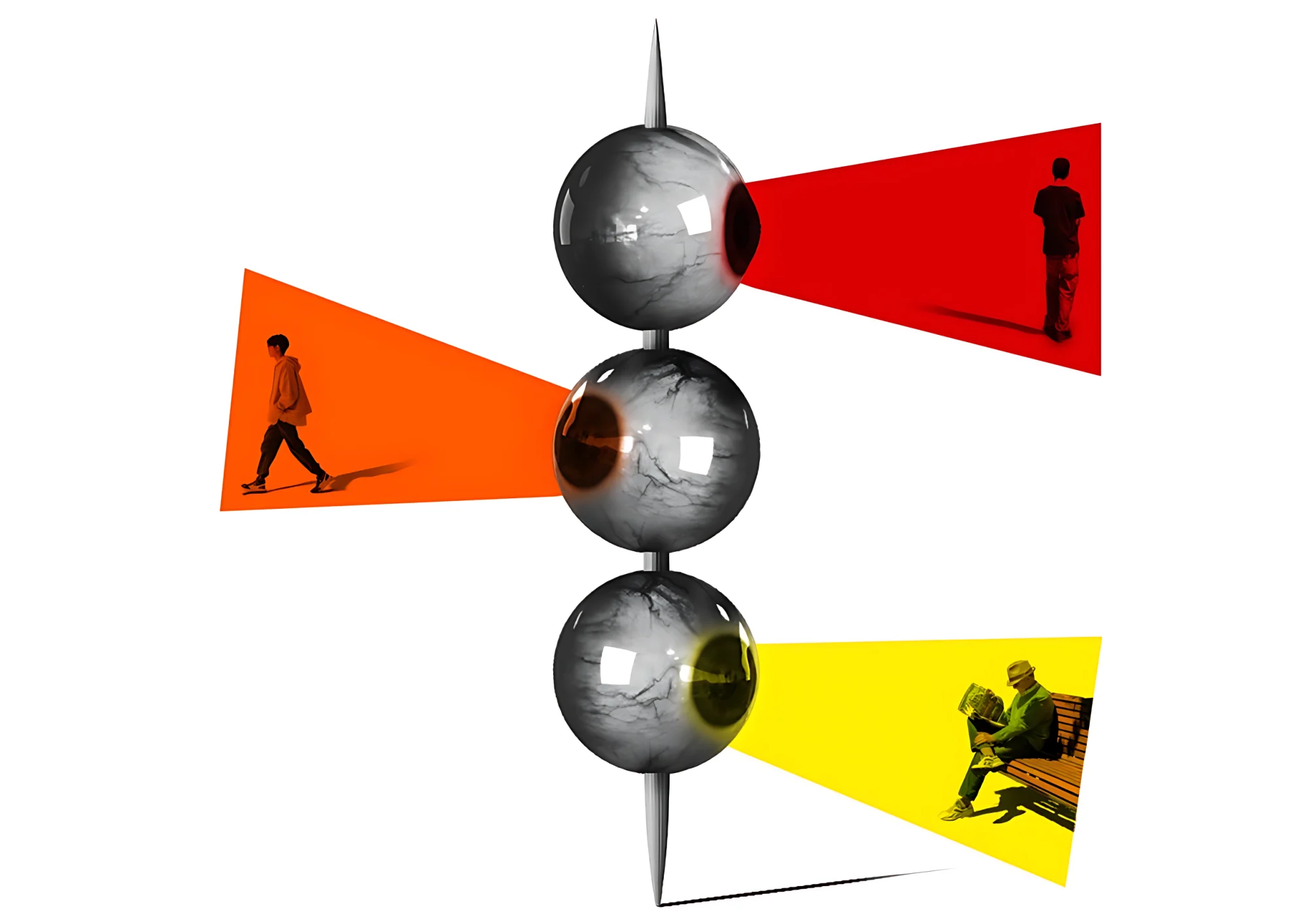
People don't see your campaign, they see their version of it. Using the Big Five personality model (Openness, Conscientiousness, Extraversion, Agreeableness, Neuroticism), marketers can predict what different audiences will notice, trust, and ignore. The practical move isn't hyper targeting individuals. It's building a small set of creative variants that speak to different personality drivers.
Why one ad gets five different reactions
Show the same ad to five people and you'll get five reactions. One loves the bold concept. One wants the specs. One shares it with friends. One checks the reviews first. One worries about what happens if it doesn't work.
That's not random. It's personality. And it's one of the most underused lenses in campaign planning.
Research backs this up. A widely cited 2017 study by Sandra Matz and colleagues, published in PNAS, found that ads matched to people's psychological traits drove meaningfully more clicks and purchases than mismatched ads.
The Big Five, decoded for marketers
The Big Five is the most researched personality model in psychology. Here's what each trait means for how someone perceives your campaign:
| Trait | What they notice | What wins them | What loses them |
|---|---|---|---|
| Openness curious, novelty seeking | New ideas, unusual visuals, creative concepts | Originality, surprise, first of its kind claims | Generic, safe, template looking work |
| Conscientiousness organised, careful | Details, proof, specifications | Clear benefits, guarantees, ingredient lists, data | Vague claims, hype, missing information |
| Extraversion social, energetic | People, energy, social proof | Community, events, shareable moments, creators | Quiet, solitary, overly technical messaging |
| Agreeableness warm, cooperative | Values, kindness, relationships | Purpose, family, giving back, gentle tone | Aggressive, combative, mocking ads |
| Neuroticism sensitive to stress and risk | Risks, safety, reassurance | Easy returns, trust badges, reviews, guarantees | Pressure tactics, fear of missing out overload |
Most of your customers are a blend, but one or two traits usually dominate within a category. A premium skincare buyer might skew conscientious and anxious. A streetwear buyer might skew open and extraverted. Knowing which ones dominate yours is a brand positioning question before it is a creative one.
How to design one campaign for many personalities
You don't need five campaigns. You need one strong idea expressed through a few angles:
- Lead with the idea (for Openness).
- Back it with proof (for Conscientiousness).
- Show real people using it (for Extraversion).
- Make the brand feel kind (for Agreeableness).
- Remove the risk (for Neuroticism).
Then build three to five creative variants, each leading with a different angle, and let performance data show which personalities dominate your real audience. That's a cheap, practical way to learn who your customer actually is, rather than who you assumed they were. If the numbers from Meta, Google and your store disagree on which variant won, read how a marketing ROI audit reconciles them.
The ethics line
Personality insight is powerful, which is why it needs guardrails. Use it to make creative more relevant, not to exploit vulnerabilities. Never use anxiety to pressure someone into a purchase they'll regret. Ad platforms also restrict sensitive targeting, so the right place for personality thinking is in your creative strategy, not in invasive targeting.
FAQ
What are the Big Five personality traits?
Openness, Conscientiousness, Extraversion, Agreeableness, and Neuroticism. It's the most widely researched model of personality in psychology.
Does personality really affect how people respond to ads?
Yes. Research, including a widely cited 2017 PNAS study, found that ads matched to personality traits outperformed mismatched ads on clicks and purchases.
Should I target ads by personality?
Use personality to shape creative variants rather than invasive targeting. Let performance data reveal which personality driven angles resonate with your audience.
How many creative variants do I need?
Three to five variants, each leading with a different personality driver, is enough for most D2C brands to learn what works.
Key takeaways
- The same campaign is perceived differently depending on personality.
- The Big Five traits predict what people notice, trust, and ignore.
- One strong idea with three to five angle variants covers most personality types.
- Use personality insight ethically, in creative strategy rather than exploitative targeting.

